



In the field of light steel channel and metal partition engineering, have you ever encountered such a dilemma: customers want C-shaped channels today, U-shaped channels tomorrow, and T-shaped ceiling channels the day after? Your workshop is filled with equipment of different specifications, resulting in significant capital occupation and overcrowded space. Changing models takes up a significant amount of time, doesn't it?
So, is there a device that can accommodate multiple joist specifications, switch quickly, and produce automatically?
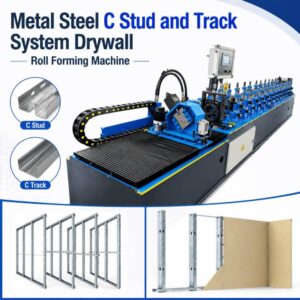
The answer is yes - the Full Automatic Light Metal Profile Stud and Track CW UW Channel Roll Forming Machine is precisely an integrated solution tailored for the production needs of modern channels.
https://youtu.be/i5ROZlyVO7A
What is a keel forming machine?
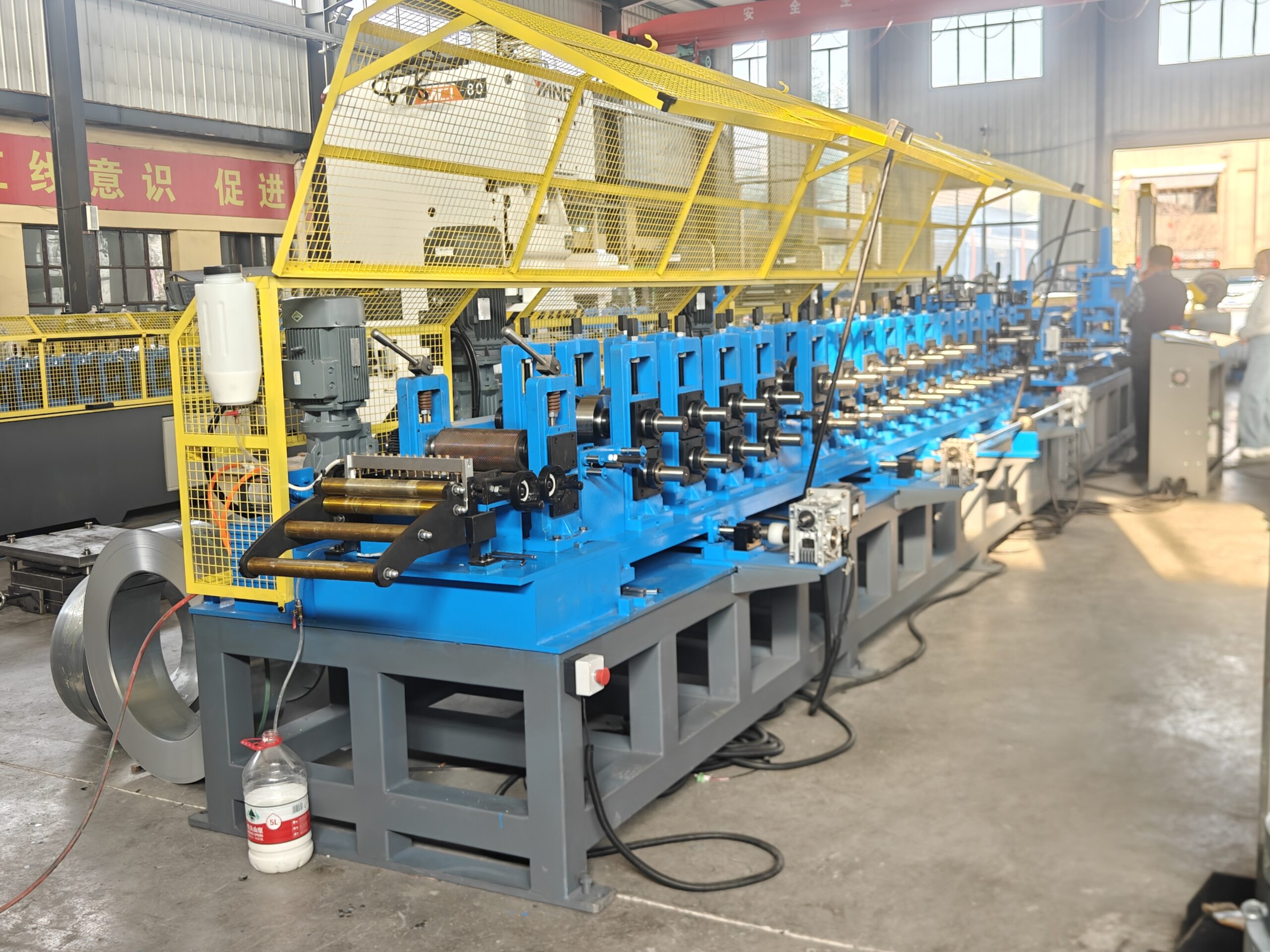
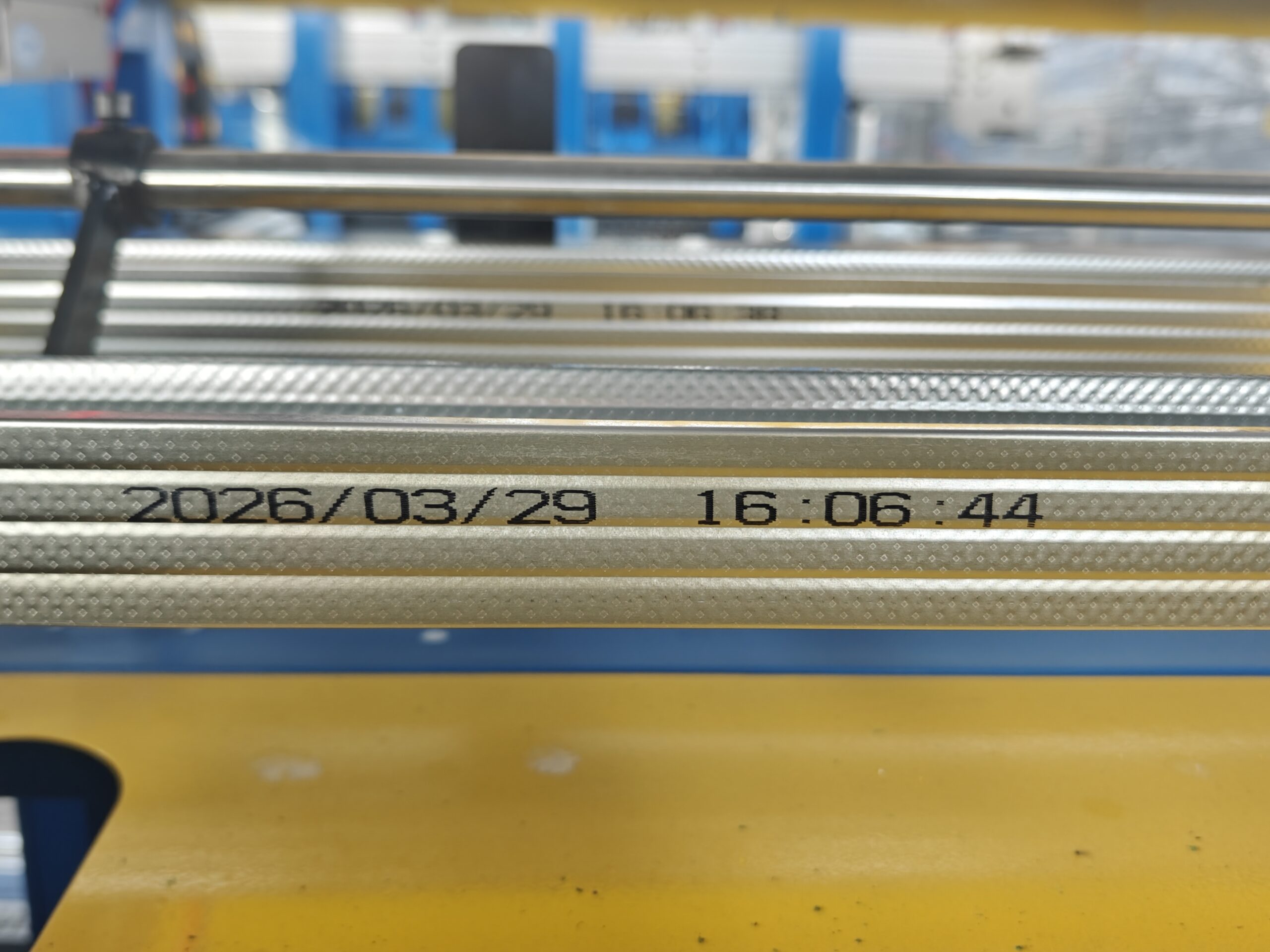
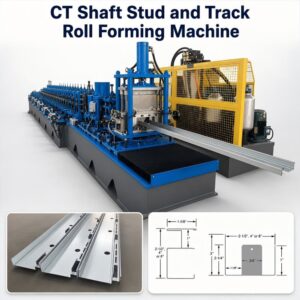
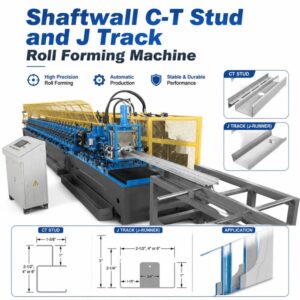
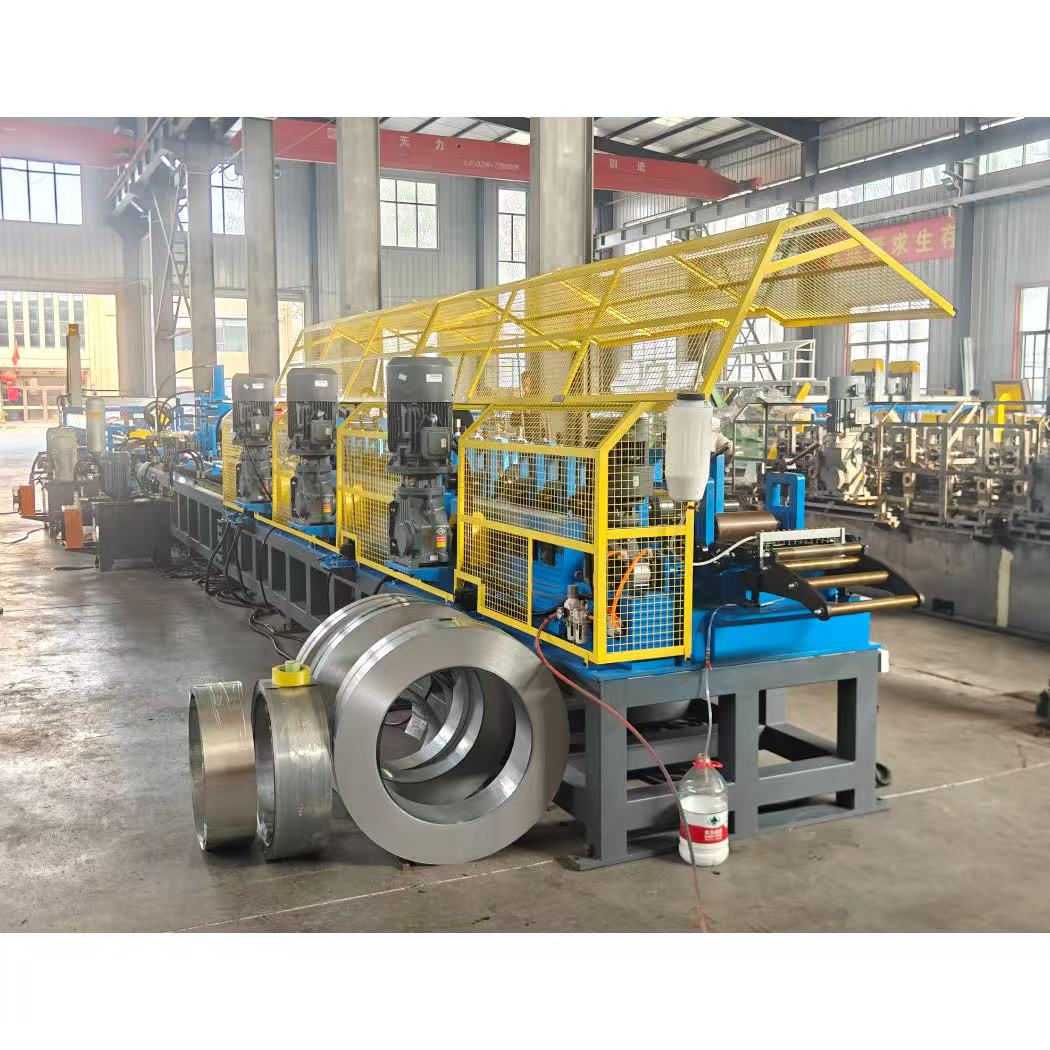
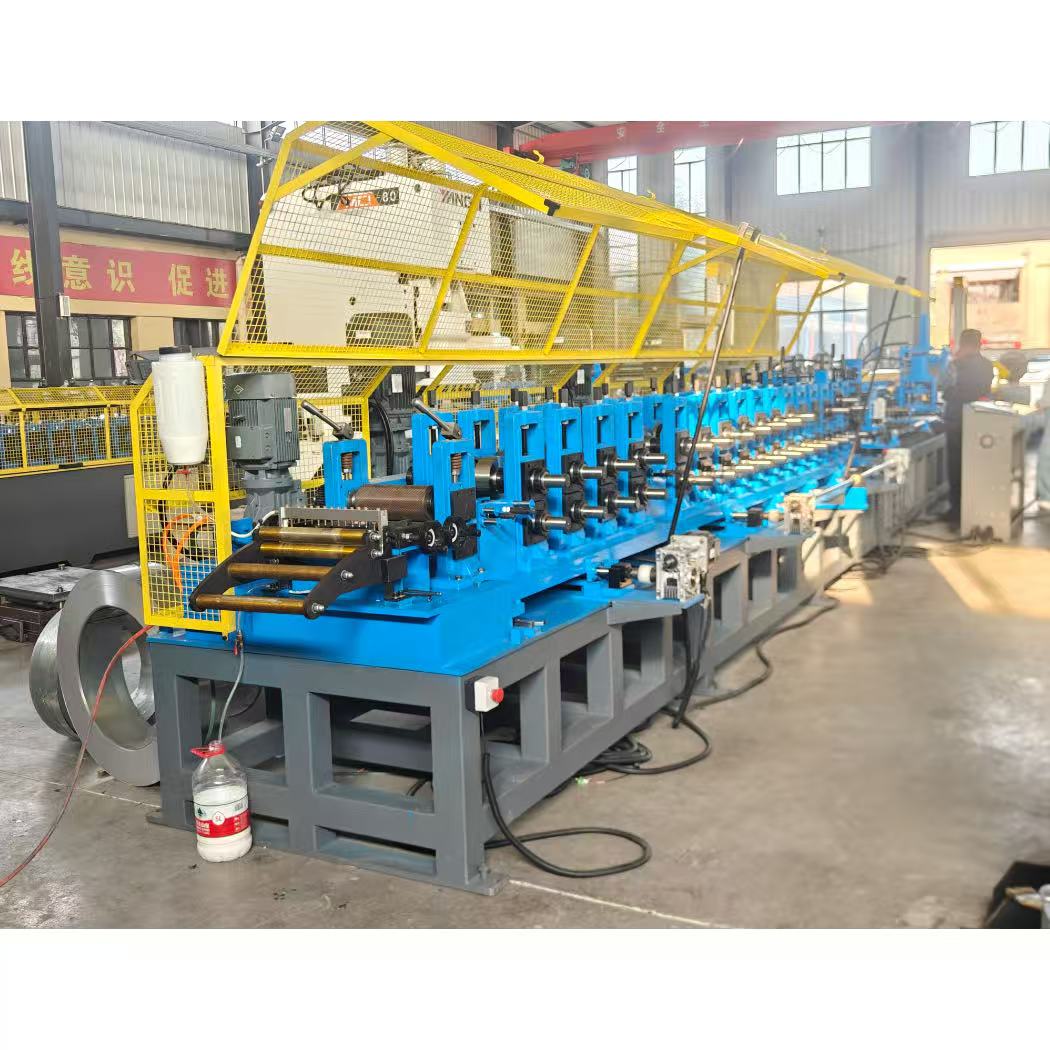
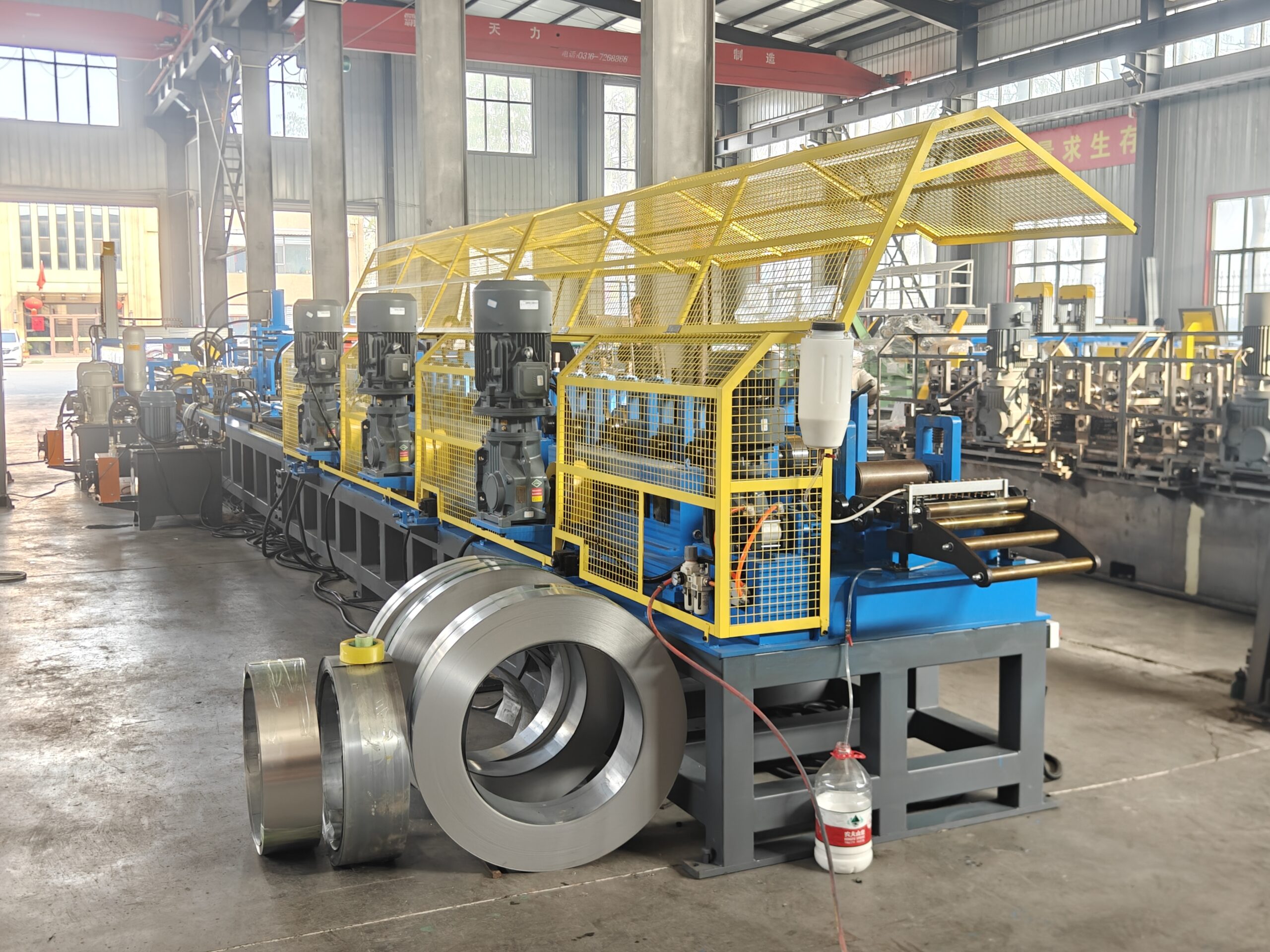
The Full Automatic Light Metal Profile Stud and Track CW UW Channel Roll Forming Machine, fully known as the Full Automatic Light Metal Profile Stud and Track CW UW Channel Roll Forming Machine, is a specialized equipment that processes strip steel into complex cross-sectional profiles such as C-shaped, U-shaped, T-shaped, and L-shaped through continuous cold rolling technology. It integrates feeding, leveling, forming, punching, and cutting to length, and adopts a PLC control system to achieve automated production. It is the core equipment for the manufacturing of non-load-bearing partition systems and ceiling joist frameworks in the construction industry.
One device, multiple board types, flexible switching - this is a complete overturning of the traditional "one machine, one type" production model.
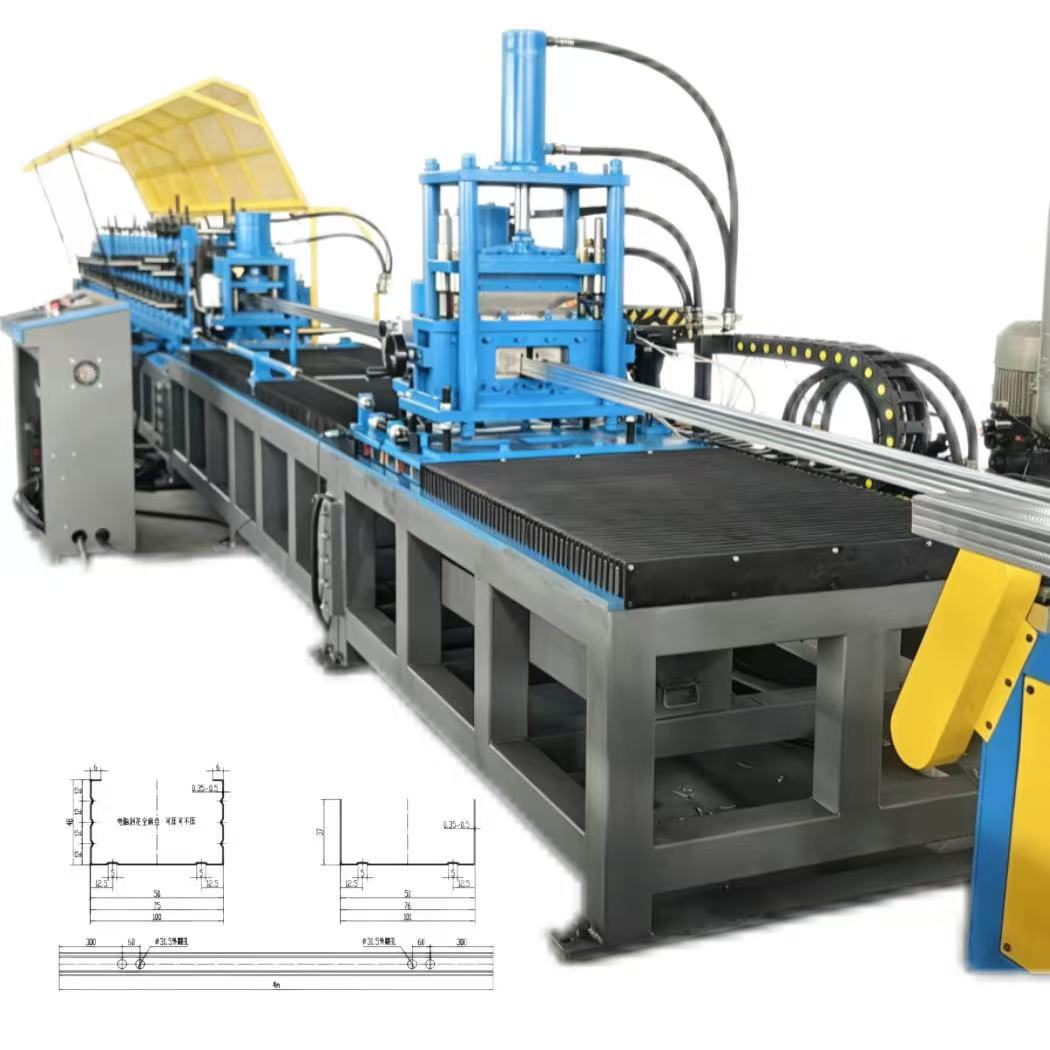
Application scenario: Who needs this device the most?
• Light steel villa/modular house manufacturer:
Light steel houses require a large number of C-shaped columns and U-shaped guide rails, and walls, floor slabs, and roof trusses often need different specifications. A single channel machine can cover all these needs, eliminating the need to purchase multiple devices.
• Indoor partition engineering contractor:
For lightweight partitions in offices, shopping malls, hotels, and office buildings, the amount of channel used is large and the specifications are relatively fixed. The channel machine can be directly produced near the construction site, saving the cost of transporting finished products.
• Ceiling system supplier:
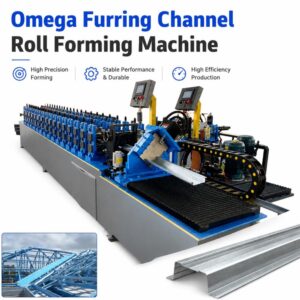
T-shaped main channel, L-shaped edge channel, painted channel and other ceiling products. The channel forming machine can provide one-stop production.
• Prefabricated building component factory:
With the advancement of prefabricated buildings, the specifications of channels are becoming increasingly diverse. Multi-specification flexible production helps the factory achieve efficient operations with "small batches and multiple varieties".

Overview of technical features:
• Intelligent control system: PLC + touch screen control, capable of storing multiple sets of production formulas, with one-click access
• Infinitely adaptable technology: automatic changeover for multiple specifications, with width and height adjustable as desired, and plate thickness self-adaptive
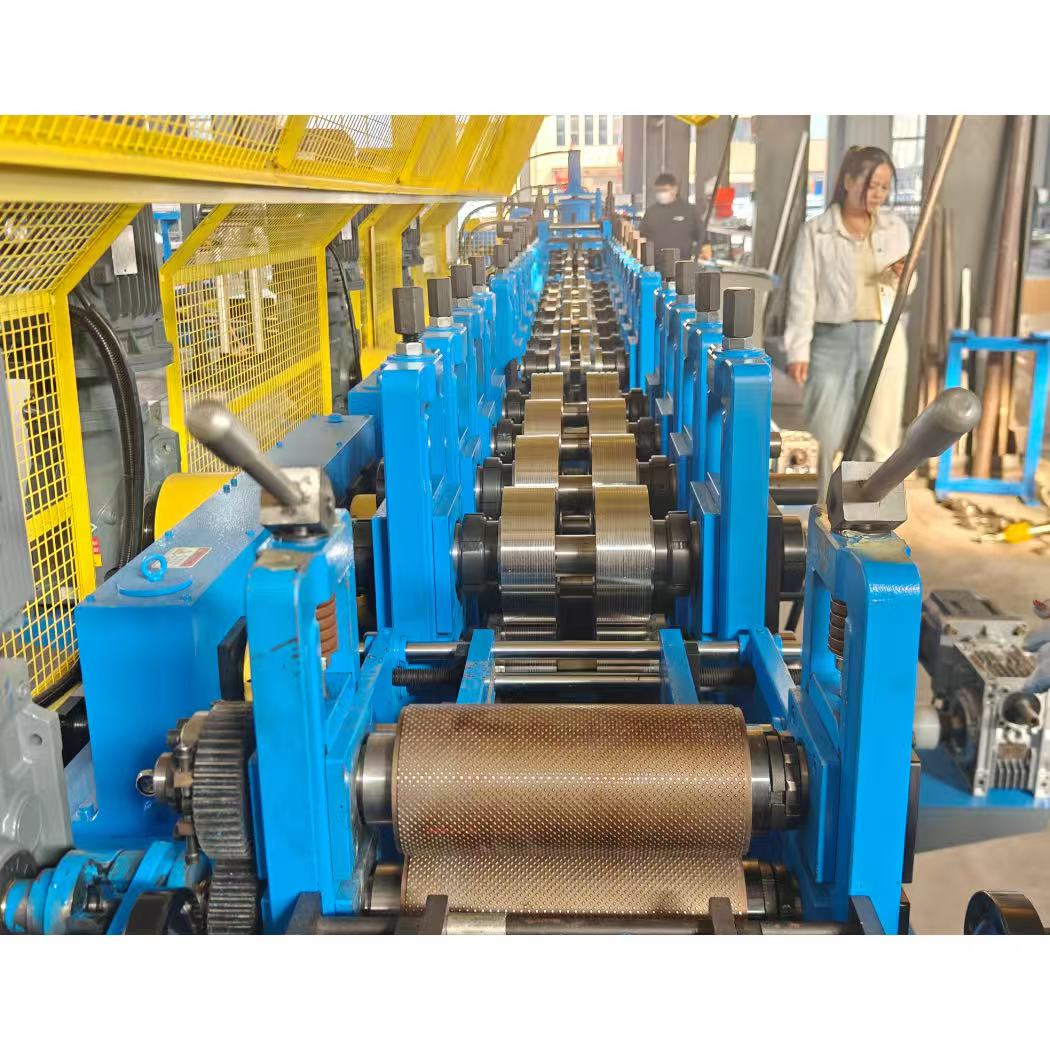
• High-precision roller: The roller is made of GCr15 bearing steel or Cr12 steel, which has undergone quenching treatment, achieving a hardness of HRC56-62℃, ensuring a long service life
• Integrated frame: The bed frame is welded from steel plates and undergoes tempering treatment to eliminate internal stress, ensuring no deformation during long-term operation
• Gearbox transmission: Each forming frame is independently driven, ensuring long-term, high-intensity operation of the equipment
• High-precision cutting: hydraulic or servo-controlled precision cutting, with a cutting error of ≤±0.3mm
• Software integration capability: Capable of integrating with detailed design software data to achieve design-production integration
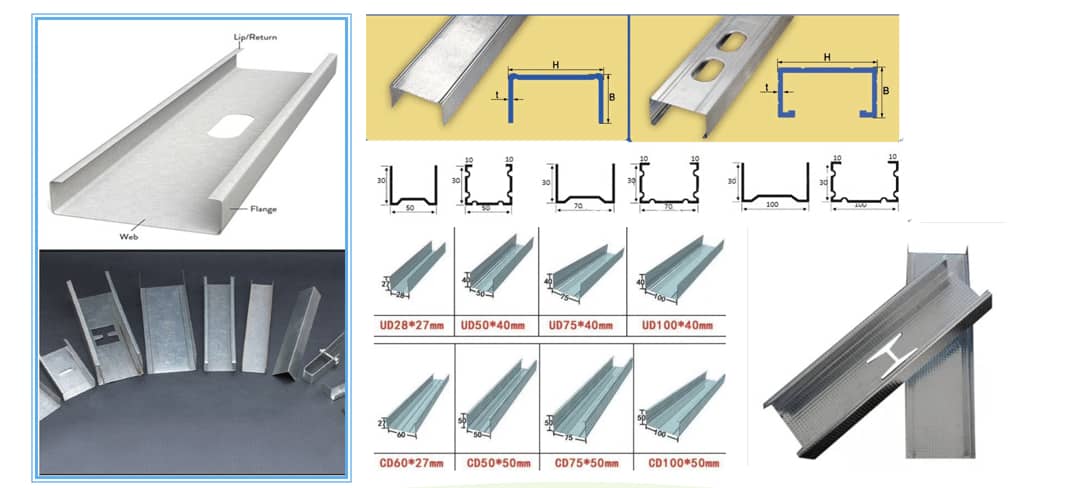
Product Attributes :
|
1.Formed Material
|
PPGI,GI,AI
|
Thickness:0.5-1.2mm
|
||
|
2.Decoiler
|
Hydraulic automatic decoiler
|
Manual decoiler(will give you as free)
|
||
|
3.Main body
|
Roller station
|
16 rows(As your requirement)
|
||
|
Diameter of shaft
|
50mm solid shaft
|
|||
|
Material of rollers
|
45# steel, hard chrome plated on the surface
|
|||
|
Machine body frame
|
Metal steel welded
|
|||
|
Drive
|
Gear transmission
|
|||
|
Dimension(L*W*H)
|
5500*800*1200(customize)
|
|||
|
Weight
|
About 4.5T
|
|||
|
4.Cutter
|
Automatic
|
cr12mov material, no scratches, no deformation
|
||
|
5.Power
|
Motor Power
|
7.5KW*2 sets
|
||
|
Hydraulic system power
|
5.5KW
|
|||
|
6.Voltage
|
380V 50Hz 3Phase
|
As your requirement
|
||
|
7.Control system
|
Electric Box
|
Customized(famous brand)
|
||
|
Language
|
English(Support multiple languages)
|
|||
|
PLC
|
Automatic production of the whole machine. Can set batch, length, quantity, etc.
|
|||
|
18.Forming Speed
|
40-45m/min(customized)
|
The speed depends on the shape of the tile and the thickness of the material.
|
||
What are its core advantages?
1.Can one device really handle multiple types of channels?
That's right. Modern channel forming machines have long surpassed the limitation of "one machine for one type". Taking the new generation of intelligent channel machines as an example, they can simultaneously accommodate the production of C-type and U-type channels. Some high-end models can even cover all needs, from walls to floor slabs, and from low-rise to multi-story buildings. You don't need to purchase separate equipment for each channel specification; one machine can handle over 80% of the market's order demands. This directly saves 30%-50% in equipment investment.
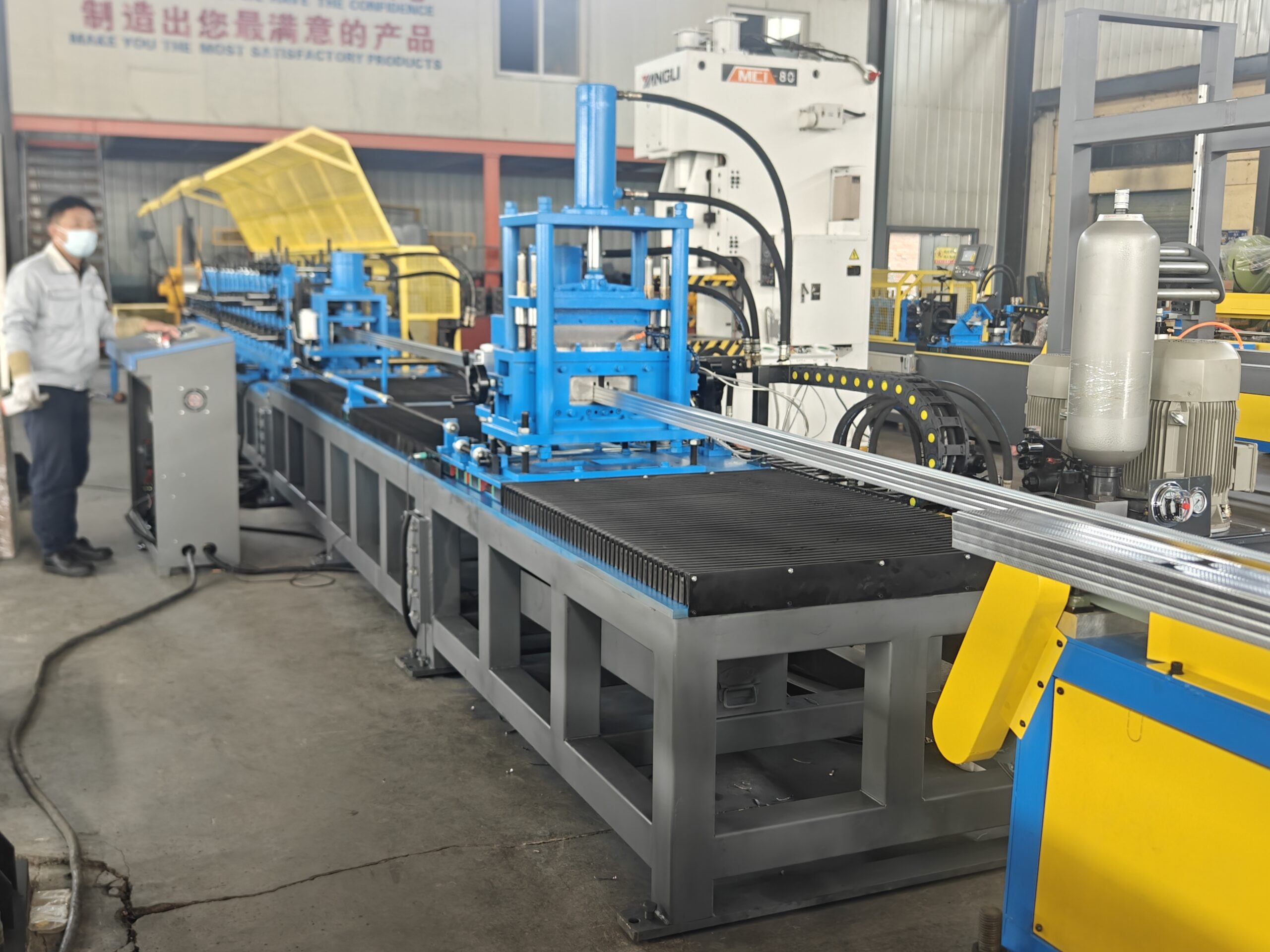
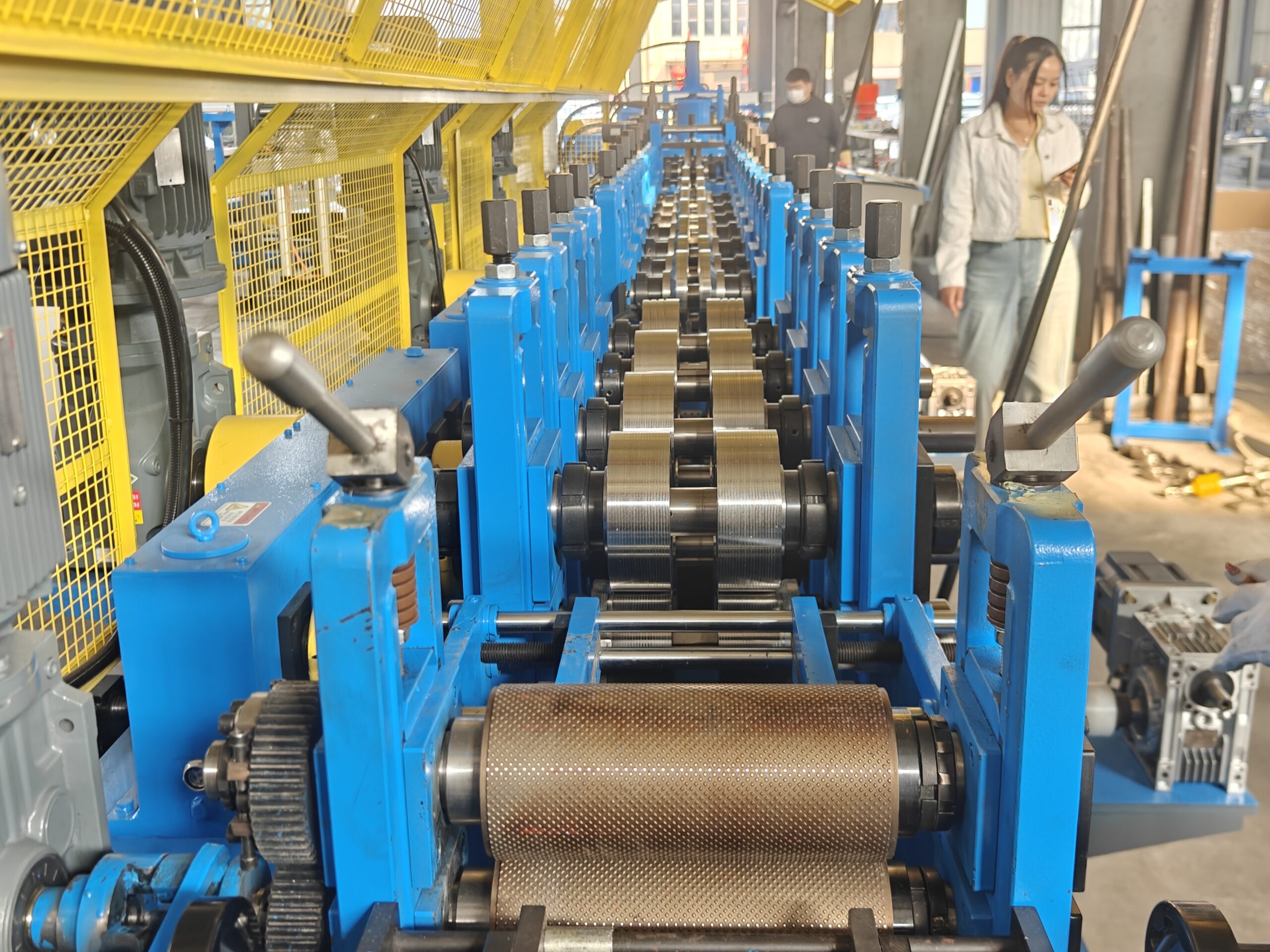
2.How long does it take to change the model? Will it affect the construction period?
Traditional model changes may take half a day, whereas modern intelligent frame machines can accomplish the task in just a few minutes or even with a single click. If you opt for a model equipped with "stepless model change" technology (such as the Dahe MF series), all you need to do is input the new specifications on the touch screen, and the equipment will automatically adjust the roller positions, punching molds, and cutting lengths, without any manual intervention throughout the process. Even for ordinary automatic models, the model change time is controlled between 10-45 minutes. Compared to traditional equipment, which often requires half a day for model changes, the efficiency is improved by over 80%.
3.The workshop space is limited. Can it fit in?
No problem at all. A multifunctional channel forming machine occupies an area of approximately 15 meters in length and 2.5 meters in width, which is equivalent to 40%-50% of the area required by two independent devices. If you are operating on mobile construction sites, some equipment also supports flexible deployment by being moved at any time. For enterprises facing high factory rent and tight space constraints, this is the most direct way to reduce costs.